DOENJANG JJIGAE (KOREAN SOYBEAN PASTE STEW)
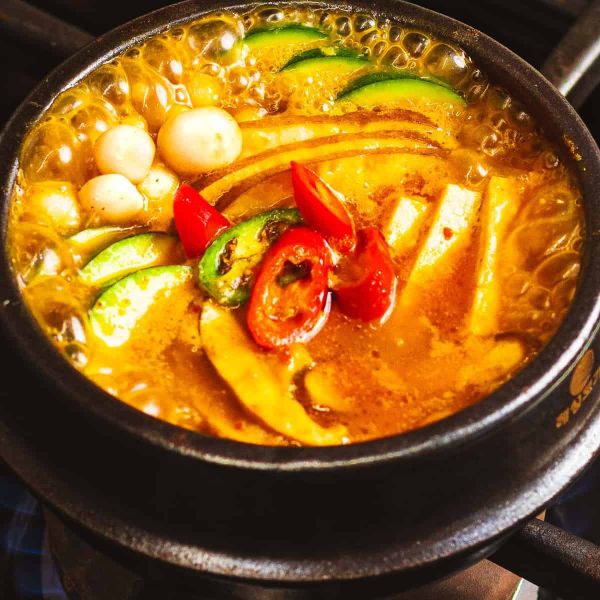
Doenjang jjigae (된장찌개) is an easy Korean soybean paste stew made of doenjang, anchovy stock, any protein of choice, tofu, potatoes, mushrooms, and zucchini. It’s mainly flavored with doenjang, a delicious fermented Korean soybean paste that’s full of umami flavor.
Doenjang jjigae (된장찌개) is a savory, umami-filled Korean stew made with Korean soybean paste called doenjang, vegetables, and protein of choice (beef, shrimp, clams, tofu, pork). It’s also called Korean soybean paste stew, soybean stew, Korean miso stew, or soybean paste stew.
Its flavor is similar to Japanese miso but with more intense, rich, savory flavor. If you like miso soup, you’ll love doenjang jjigae! It’s a hearty Korean stew that’s easy to make, healthy, satisfying, and full of vegetables and protein.
WHAT IS DOENJANG (SOYBEAN PASTE)?
Doenjang (된장) is a fermented Korean soybean paste made of soybeans boiled in a salt water brine. It’s pounded, aged, and fermented until rich, umami flavors are developed.
Doenjang jjigae (된장찌개) is a delicious stew that’s made by adding doenjang to stock with a variety of vegetables and meat.
INGREDIENTS
- Doenjang– A delicious fermented Korean soybean paste found in Korean and most Asian grocery stores. They are shelf stable when unopened so look in the sauce or seasoning aisle.
- Stock– Anchovy stock is traditionally used but chicken, beef, or vegetable stock works too.
- Vegetables– I used mushrooms, onions, potatoes, and zucchini.
- Protein– Use tofu, beef, clams, shrimp, or pork.
HOW TO MAKE DOENJANG JJIGAE
- Saute garlic in oil until fragrant then add potatoes, onions, stock, and any meat (if using).
- Boil for 3 to 5 minutes.
- Add the doenjang paste, tofu, and vegetables.
- Stir to completely dissolve the doenjang and cook until the meat and potatoes are cooked through.
- Taste and season accordingly. Garnish with peppers and serve!
Doenjang jjigae is best when served hot and still boiling at the table. Traditionally it’s served in earthenware pots because they hold heat very well. Serve with fresh steamed rice and banchan (Korean side dishes). Enjoy!
Easy Kimchijeon (Kimchi Pancake)
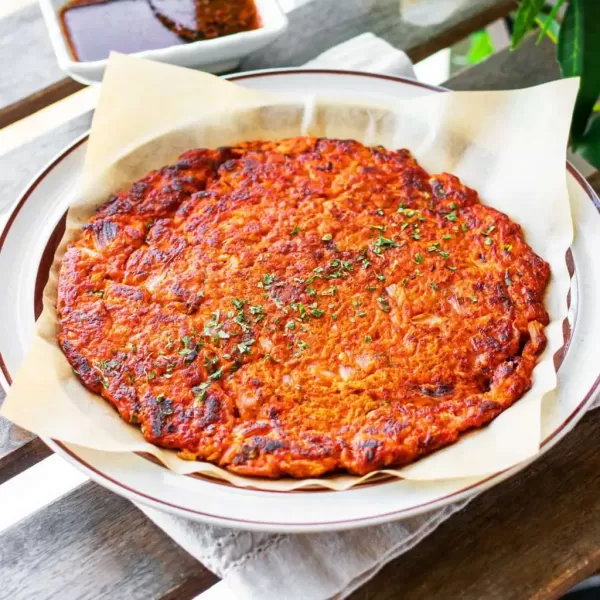
Kimchijeon (김치전), also referred to as Kimchi Buchimgae (김치부침개) or Kimchi Jeon, is one of the most classic renditions of Korean traditional savory pancakes (Jeon), which are often served as a side dish or appetizer.
HOW TO MAKE Kimchi Pancake
- Aged kimchi + brine: it’s important to use aged kimchi (fermented for at least 2 weeks) when it’s used as a cooking ingredient as it is much more flavorful when cooked, as opposed to the fresh alternative.
-
- Kimchi brine can be prepared by simply scooping out the juices from your kimchi. This will elevate the flavors of kimchi in the pancake, in the same method when making Kimchi Jjigae.
- Flour, sugar, salt, Gochugaru (Korean chili flakes), and egg: for the batter. The egg is optional, but I do find that it adds a nice richness and flavor to the overall batter.
- Onion, green onion, and tuna: for the aromatics. I personally like to add canned tuna for extra umami flavor, but you can simply add more kimchi to the mix, or add in any meat, seafood, or veggies that you prefer.
-
- Some popular additions include calamari, bacon, or pork, but the flavors of kimchi jeon are versatile that you can be creative with your own version.
- [Optional] Soy sauce, vinegar, sugar, water, and Gochugaru: for the dipping sauce. I find that the pancakes are seasoned enough to be served on their own, but I will still be sharing a quick recipe for the dipping sauce for those of you who prefer to serve them in this way.
Gochujang Cucumbers
Ingredients
2 SERVINGS
- 3Tbsp. gochujang (/Korean chili paste)
- 1clove garlic (finely minced)
- 1 1/2Tbsp. Sugar
- 1 1/2Tbsp. rice vinegar
- 1Tbsp. sesame oil
- 1pinch salt
- 1pinch sesame seeds
- 4cucumbers (small, thinly sliced)
HOW TO MAKE Gochujang Cucumbers
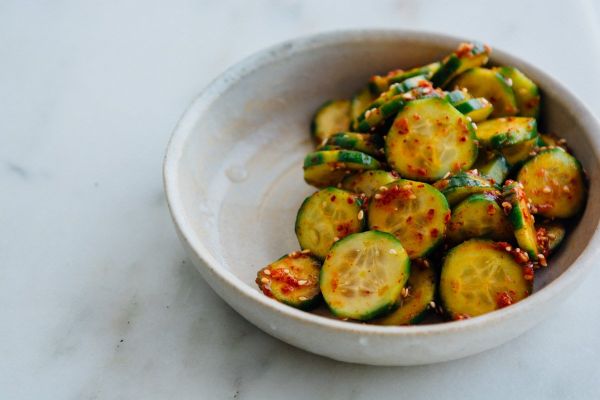
In a small bowl, mix together gochujang paste, finely minced garlic, honey, rice vinegar, sesame oil, a pinch of salt, and sesame seeds until combined.
In a medium sized bowl, add thinly sliced cucumbers. I prefer Persian cucumbers because it has that extra crunch. But whatever cucumbers you have will work. Or even carrots or celery or any radishes will work.
Pour the bowl of gochujang sauce over the the cucumbers and toss until all the cucumbers are lightly coated in the sauce.
Serve the gochujang cucumbers with rice or noodles as desired.
Enjoy!
Jeyuk Bokkeum (Spicy Pork Bulgogi)
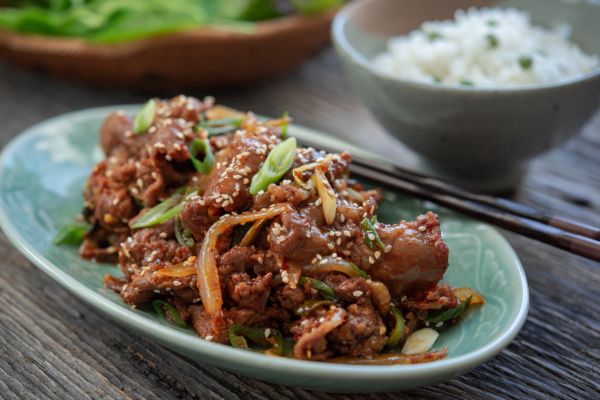
Spicy Korean pork bulgogi marinated in a gochujang based sauce with lots of fresh garlic and ginger! Great as an easy stir-fry dinner or for outdoor grilling.
Jeyuk bokkeum (제육볶음), aka dweji bulgogi (돼지불고기), is a spicy marinated pork. It’s another highly popular Korean BBQ dish. Jeyuk means pork, and bokkeum means stir-fry. It’s my son’s absolute favorite! He loves fatty pork and spicy food, which makes this dish perfect for him. Great for your outdoor grilling or an easy stir-fry dinner!
How to make spicy pork bulgogi
Ingredients
- 2 pounds thinly sliced pork shoulder or butt (or a combination of pork shoulder or butt and pork belly)
- 1/2 medium onion, sliced
- 3 scallions, cut into 2-inch pieces
Marinade:
- 6 tablespoons gochujang
- 1 or 2 tablespoons gochugaru
- 3 tablespoons soy sauce
- 3 tablespoons rice wine (or mirin)
- 2 tablespoons sugar (or brown sugar)
- 1 tablespoon honey (or more sugar)
- 2 tablespoons sesame oil
- 2 tablespoons minced garlic
- 1 tablespoon grated ginger
- 1/2 small apple grated, 3 – 4 tablespoons (or 2 T plum syrup, maesilcheong)
Instructions
- Thinly slice the meat, if not pre-sliced.
- Mix all marinade ingredients well in a large bowl. Add the meat and toss everything well to evenly coat the meat with the marinade. Add the onion and scallions and toss again. Let it sit for about 30 minutes.
- Grill or pan fry in a skillet (in 2 batches) over medium high heat until slightly caramelized. Adjust the heat as necessary.
Seaweed Salad
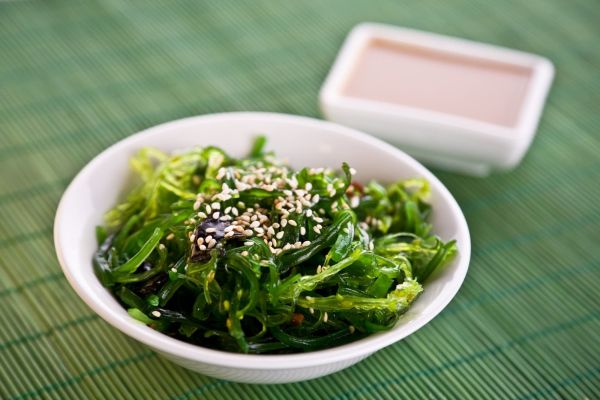
Ingredients
Save Recipe
- Handful of dried seaweed, enough for 2 cups when rehydrated
- 1 tablespoon rice vinegar
- 2 teaspoons sesame oil
- 1/4 teaspoon salt
- 1/4 teaspoon sugar
- 2 teaspoons toasted sesame seeds
Directions
- To rehydrate seaweed, place seaweed in a large bowl filled with water. Let soak for 10 to 15 minutes, or until seaweed is supple. Working by handfuls, squeeze seaweed of residual water.
- Place seaweed on cutting board and chop into rough 1/2-inch slices. Dress seaweed in vinegar, oil, salt, and sugar. Adjust seasonings to taste, depending on how tangy you like your seaweed. Sprinkle with sesame seeds and serve cold or at room temperature. Leftover seaweed may be kept in refrigerator for up to 4 days.
Korean BBQ sauce & marinade
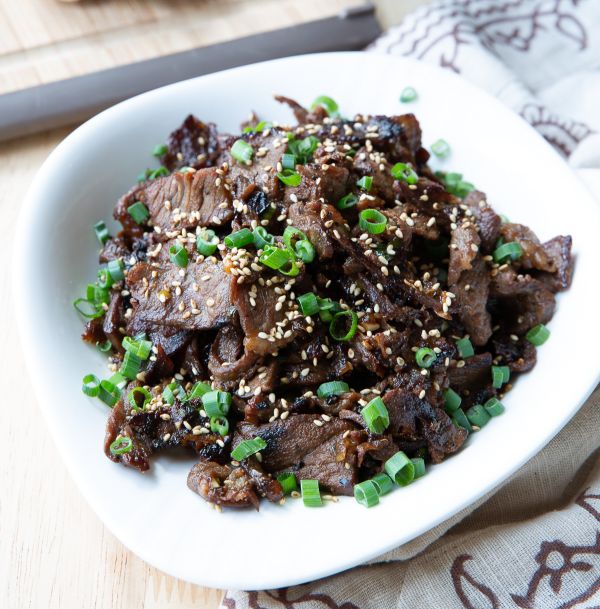
Preparation
- Cut beef in bite-size and green onions into small pieces
- Make soy sauce in a bowl with Chung Jung One BBQ Galbi sauce & marinade for beef, water and green onions.
- Cut mushrooms, onions and autumn squash in bite-size.
- Make lemon sauce in a bowl with soy sauce, water, lemon juice and chopped green onions.
- Put meat and vegetables on dish and roast on heated grill with soy sauce.
- Serve roasted meat with lemon sauce.

+27 82 461 4784
+27 83 206 0520
info@kfoodie.co.za

© Copyright 2026 K-Foodie

24 Frazzitta Business Park
Freedom Way
Minerton
Cape Town SA
7441